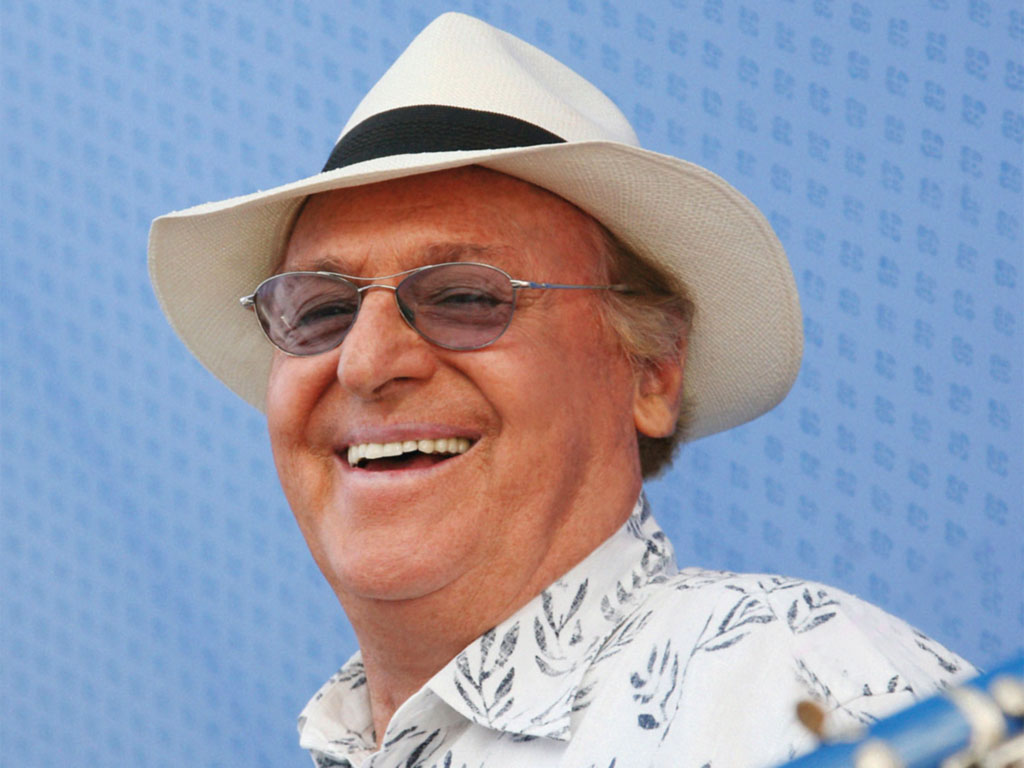
Platinette
“Disco Music filled the clubs and brought people together”
I Love Disco interviews Platinette about the ’70s, memories, and her experience with disco music.
Memories:
“I remember being younger, not just physically but mentally. I was much more naive, with very pure expectations—I had a mountain of them, especially regarding music, like the vast majority of kids. And then the discovery of nightclubs: as the years went by—and I was quite brave, I started going dancing at 14 or 15 in a place in my city, Parma, inside the Parco Ducale. It was a garden club that was actually still a dance hall; there was a band playing, you would dance to ‘the shake,’ you’d dance to slow songs—never me—and then there were breaks where you’d go to the bar. That is where I began to truly live and, in a way, to appreciate dance music, which at first I considered the ‘rotten’ side of Black music—or at least that is how I would have categorized it later. But I used to say: ‘Wow, what a groove!’, I was already fully into Diana Ross.” Living in a land where the famous big discos, those along the famous Via Emilia, dotted with these cathedrals of Disco Music as was the norm back then, I saw that it brought people together. On one side there was that, on the other the big dance halls for liscio. But this made it clear that it was able to perform a function—whether useful or not, I don’t know—but socially significant: that of bringing people together. Those places for 5 or 6 thousand people were born for disco and dance, because there are no liscio dance halls that enormous.
Music and ’70s Fashion
“I get along well with the women of music, with the women people consider difficult, those who were protagonists of the ’70s, like Nicoletta, Rettore, Ornella—the great lady of Lugano. For me, the ’70s are also very much about Mina, as well as singles like ‘The Three Degrees,’ Barry White’s ‘You’re the First, the Last, My Everything,’ and Diana Ross.” ’70s fashion, yes, I really liked it—says Platinette—I remember when the first Vivienne Westwood store opened, with the slanted floor, the clock that went backwards, you sliding around trying to find a dress. When you went to the market in London, in Soho, to look for what we needed, I saw fashion and how it was growing—it wasn’t just about the mini, the ripped jeans, the T-shirt with writing. For me, the symbol of the ’70s is the T-shirt with writing like ‘wham, pow, boom’ and stuff like that. “Or the fashion, which even reached Italian holiday resorts, of putting a solid-colored T-shirt into a specially made washing machine where you would wring it out and it would come out with that ‘zap’ color; if I have to find a symbol, that is it.”