‘Taxi Driver’ and Cinema at the Dawn of Disco
This is the cinematic landscape of Disco Music in the 1970s. In the early 1970s, the USA was gradually abandoning recent political battles, masterfully embodied by phenomena typical of the era (flower children, pacifists, student movements, gay and racial struggles). The New York of those years was turbulent, violent, contradictory, and multifaceted, crowded with drug dealers, corrupt police, fierce gangs, ghettos, and neighborhoods left in total decay. Well… it is precisely in this scenario of 1970s New York and against the backdrop of this landscape of moral and spiritual degradation, of loud voices demanding social change and calls for escape, a skillful reflection of an extremely complex era of transformation, that the now-infamous scenes of films such as “Midnight Cowboy,” “The French Connection,” “Taxi Driver,” “Shaft,” and “Death Wish” are set.
Disco music was also born in this decaying context of the Big Apple, in venues that later became legendary, such as Studio 54 and the Loft.
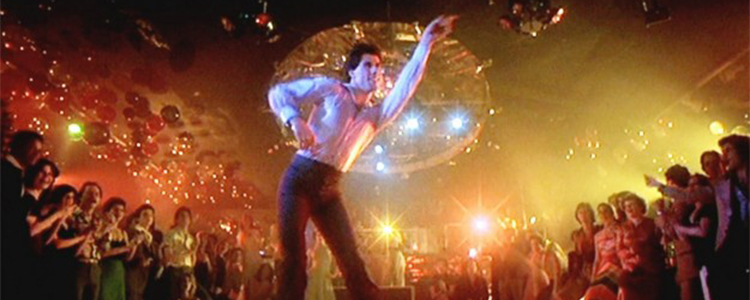
This music, however much it might appear at first glance to be an elegant phenomenon made only of glitter, sequins, and disco balls—all symbols that would later become its global icon—is nothing more than a phenomenon of escape and a powerful voice of social protest, albeit dressed in beautiful, engaging, and danceable notes that were, moreover, very carefully crafted.
Consider that at the Loft, the first and historic disco music venue in New York, nothing was left to chance, not even the turntable needles, which were custom-made by Japanese foundries…!!!
Music, disco music, and therefore dance, became in this context a moment of total democracy, erasing the boundaries of color, social class, and sexual orientation, and those films do nothing but reflect these fascinating scenarios…